AI in Cybersecurity: Will Automation Replace Risk Managers or Create More Jobs?
Every 39 seconds, a cyberattack happens, could AI be the shield that never sleeps? Cybersecurity risk management has always been the backbone of digital defence. But today, cyberattacks are faster, more sophisticated, and more relentless than ever.
AI and automation promise to detect threats in seconds, patch vulnerabilities instantly, and work 24/7 without fatigue. Sounds like the perfect solution, but can they truly replace the human brain in risk management? Or will they create even more opportunities for skilled professionals?
This blog unpacks the reality and more importantly – what it means for your career in cybersecurity.
What is Cybersecurity Risk Management?
Cybersecurity risk management is about identifying, assessing, and mitigating threats to data, systems, and networks.
- Risk Assessment: Finding vulnerabilities before attackers do
- Risk Mitigation: Reducing potential impact
- Continuous Monitoring: Detecting suspicious activities in real-time
- Governance: Ensuring compliance and policies are in place
Did You Know? According to a report, global cybercrime costs are projected to hit $10.5 trillion annually by the end of 2025.
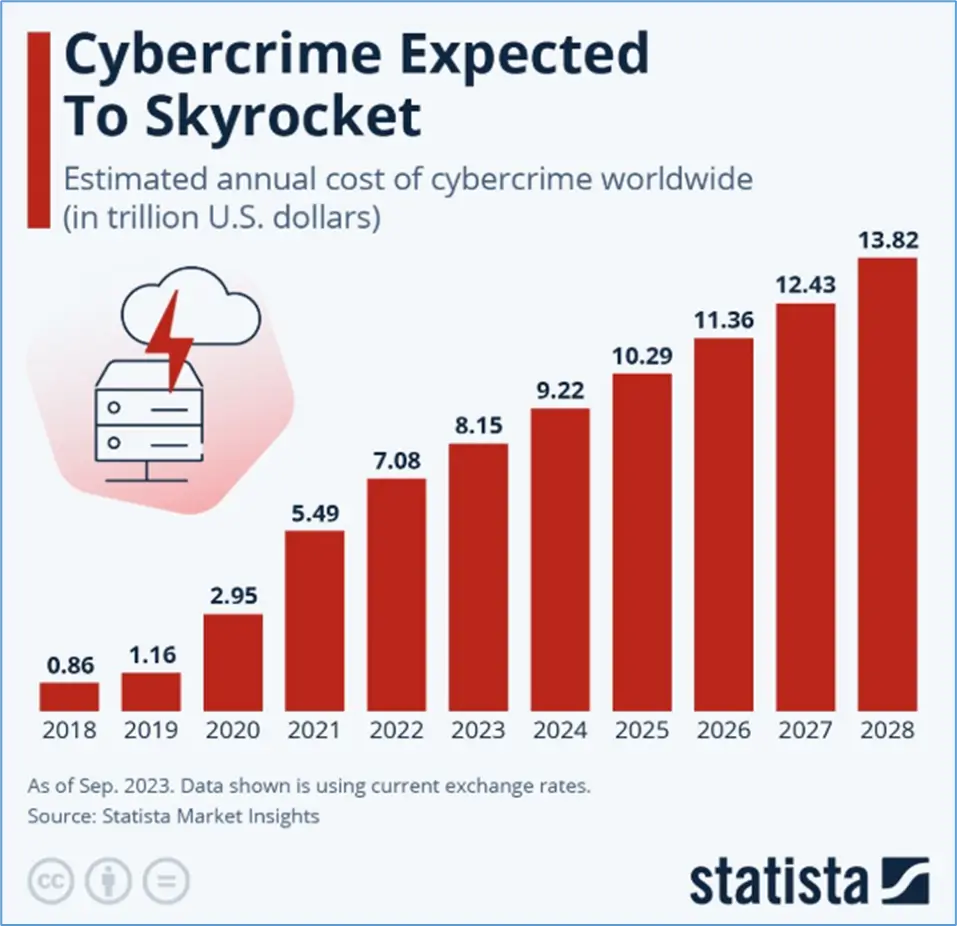
Source: Statista
The Power of Automation in Cybersecurity
AI and automation are transforming the game:
- Threat Detection: AI-driven tools analyse massive traffic data for anomalies faster than any human.
- Log Analysis: Automated systems process millions of logs to spot patterns in seconds.
- Compliance Monitoring: Ensures continuous adherence to security policies and regulations.
Popular Automation Tools:
- SIEM: Security Information and Event Management
- SOAR: Security Orchestration, Automation, and Response
- Automated Patching Systems: Fix vulnerabilities instantly after updates
Pro Tip for Graduates and Job Seekers: Learn these tools early. Many organizations in India now list SIEM or SOAR experience as a preferred skill in entry-level cybersecurity roles.
Where Automation Shines and Humans Win
Automation Excels At:
- Handling big data in real-time
- Generating instant alerts
- Reducing repetitive manual work
But Automation Can’t:
- Make complex, contextual decisions
- Understand unique business risk priorities
- Navigate legal, ethical, and cultural factors
For Professionals and Experts: Your role will evolve into less manual detection, and more strategic oversight and AI tool mastery.
Case Studies or Real-World Examples
Example 1: A Breach Due to Lack of Proper Risk Management
In 2017, Equifax experienced one of the largest data breaches in history, exposing personal information of over 147 million people. The breach occurred because the company failed to patch a known vulnerability in time. While automation could have helped ensure this patch was applied quickly, it was the lack of human oversight in the risk management process that led to the failure.
Example 2: How Automation Improved Security, But Couldn’t Stop Strategic Threats
In 2025, Qantas Australia’s flagship airline suffered a major cyberattack that exposed the personal data of up to 6 million customers. The breach was orchestrated by the Scattered Spider group, who leveraged “vishing” (voice phishing) to bypass automated controls like MFA. This shows even strong automation can’t fix human vulnerabilities.
Key Lesson:
Automated systems, no matter how advanced, can be undermined by targeted social engineering. Human-focused training and resilience remain crucial.
Example 3: Cosmos Bank (India) Cyber Heist, 2018
Hackers stole ₹94 crore via malware in the bank’s ATM server. Automated monitoring could detect unusual patterns, but rapid human response was what contained the damage.
What This Means for Your Career
For Graduates and Students:
- Focus on certifications like AI-based SOC analysis
- Build hands-on projects with SIEM/SOAR tools
For Professionals and Experts:
- Learn to integrate AI tools into workflows
- Specialize in “human-in-the-loop” risk management strategies
For Job Seekers:
- Practice AI-related interview questions such as: “How would you use automation to reduce false positives in threat detection?”
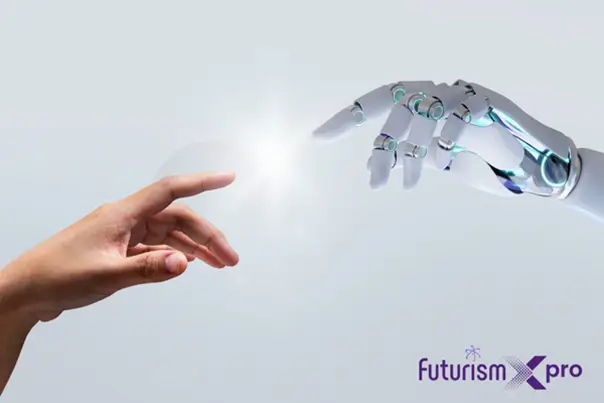
The Future: Man + Machine, Not Man vs Machine
The smartest cybersecurity strategies of the future will blend AI efficiency with human intelligence. Professionals who understand both worlds will lead the industry.
So, instead of asking “Will AI replace me?” start asking: “How can I use AI to make myself irreplaceable?”
Your 6-Month Fast Track to Cybersecurity Mastery
At Futurism Xpro, we offer 6 months of hands-on cybersecurity training with AI, real-world simulations, and industry-recognized certifications.
Why Join?
- Learn in-demand security automation tools
- Get mentored by industry veterans
- Land roles in Security Operations, AI Threat Analysis, Risk Management, and more
- 100% placement support